
Marine Diesel Engine Repair Vancouver BC
Professional Marine Diesel Engine Repair in Vancouver
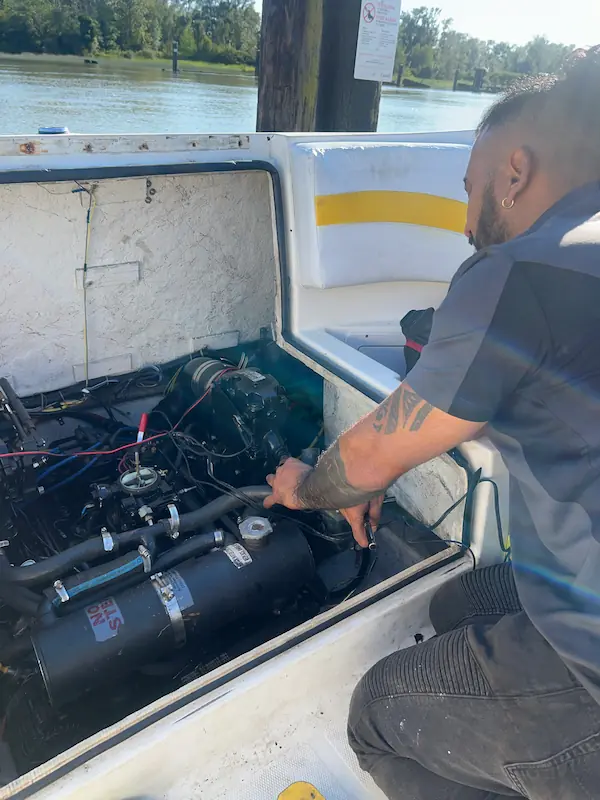
Marine diesel engines run boats in Vancouver all year. They power fishing boats, commercial vessels, and yachts. Salt water, kelp, and wet winters damage these engines. VTS Marine fixes engine problems at your Coal Harbour or False Creek dock. We also work at our Vancouver shop. Quick repairs keep your boat ready for BC’s boating season with our boat repair services.
Call VTS Marine: (604) 351-8525
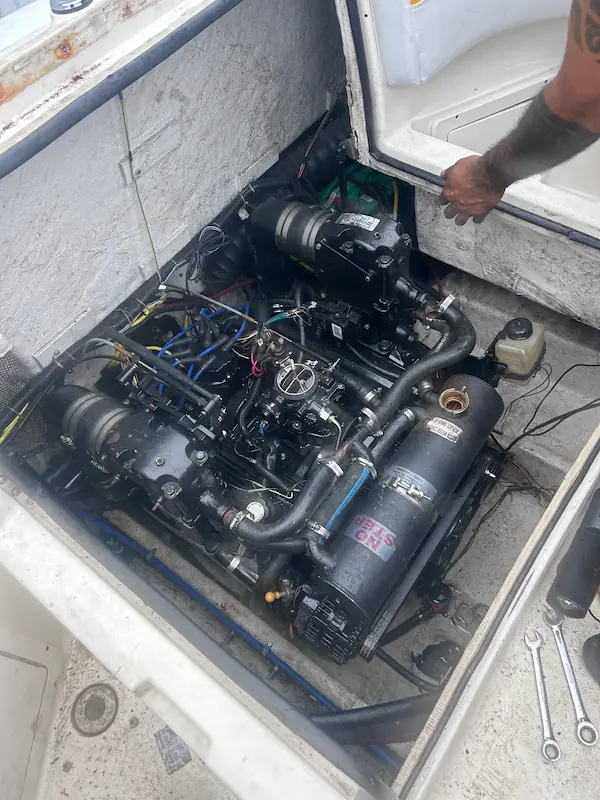
Marine Diesel Engines Last 5,000 to 8,000 Hours with Proper Maintenance
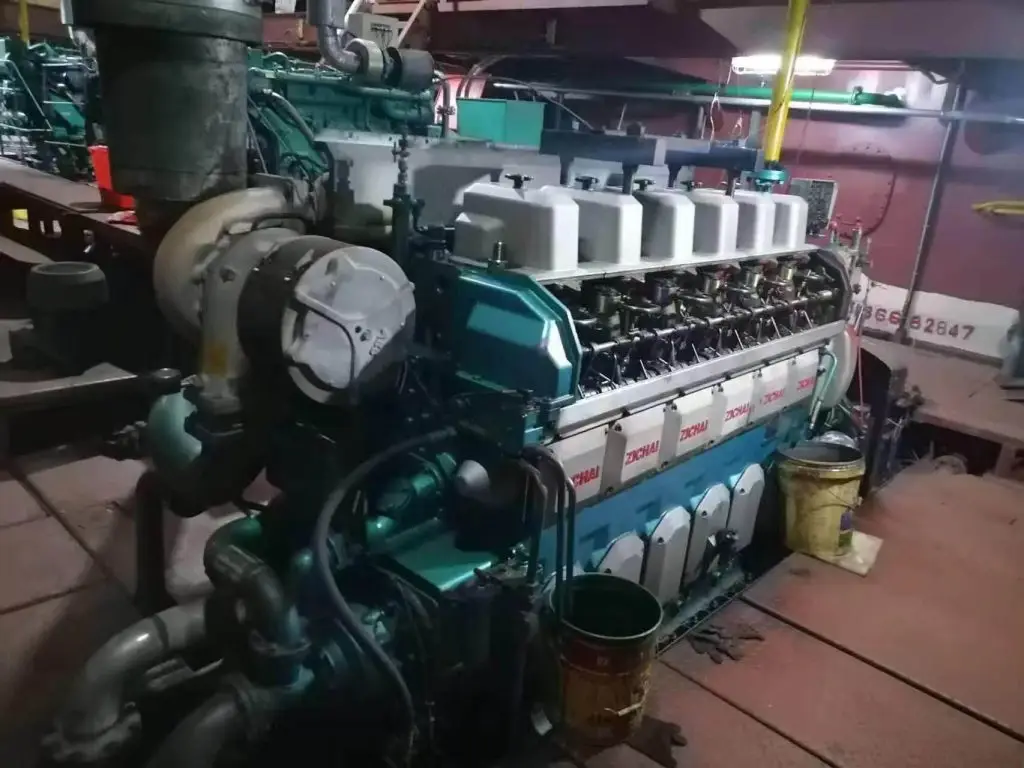
Fishing boats in Steveston and yachts in False Creek use diesel engines for 20 years or more. Good care helps engines reach 5,000 hours before big repairs. Oil changes every 100 hours stop most problems.
Vancouver Weather Reduces Engine Lifespan Without Winterization
Vancouver's wet winters and salt water shorten engine life. Engines that sit idle get fuel buildup, rust, and dry seals. Boats at Coal Harbour need antifreeze checks, fuel treatment, and monthly running during winter.
Seasonal Boats Last Longer Than Commercial Vessels
Weekend boats often last longer than boats that run every day. Cruising yachts build up hours slowly. Fishing boats that work daily need rebuilds sooner.
Regular Inspections Prevent Expensive Failures
Regular checks catch small problems early. Mechanics test compression, check smoke color, and test cooling systems. These tests find worn parts before big repairs are needed.
Overheating and Fuel Contamination Cause Most Marine Diesel Failures
Kelp and debris block water intakes and make engines overheat in Burrard Inlet. Broken impellers stop water flow. This warps cylinder heads in minutes.
Water in Fuel Tanks Destroys Injection Systems
Dirty fuel clogs injectors and breaks expensive pumps. Water builds up in diesel tanks during Vancouver's rainy season. This grows algae that blocks filters and stops engines.
Heat Exchanger Corrosion Leads to Complete Engine Failure
Rusty heat exchangers leak coolant into engine oil. This destroys bearings. Salt water attacks heat exchangers when engines sit unused. Regular coolant tests and inspections stop big failures.
Early Diagnosis Saves Thousands in Repairs
Fuel problems show up as hard starting, power loss, or black smoke. Finding problems early stops damage to expensive fuel pumps.
Fuel Quality Management Prevents Most Problems
Keep tanks full to stop water buildup. Add biocide before winter. Replace fuel filters every year. Check raw water impellers each spring. Flush cooling systems after using your boat in salt water.
Routine Oil Changes and Impeller Checks Prevent Costly Breakdowns
Change engine oil every 100 hours or before winter storage. Marine diesel engines collect moisture faster than car engines.
Impeller Failure Causes Most Overheating Problems
Check raw water impellers every spring. Replace them if blades have cracks or missing pieces. Bad impellers cause most overheating in Vancouver waters.
Antifreeze Protection Prevents Freeze Damage
Test coolant strength before November to stop freeze damage. Vancouver winters rarely freeze, but cold snaps can crack engine blocks. Test coolant every year and replace it every two years.
Annual Fuel System Cleaning Stops Starvation Problems
Clean fuel tanks and replace filters every year to remove water and dirt. Algae grows in diesel fuel during warm weather. It forms clumps that block filters.
High-Use Boats Need More Frequent Service
Boats in Coal Harbour need more checks because of heavy use. Commercial boats may need oil changes every 50 hours. Weekend boats follow the 100-hour schedule.
Rebuilt Marine Diesel Engines Run 3,000+ Hours When Done Right
Professional engine rebuilds include new pistons, rings, bearings, and gaskets. Machine shops bore cylinders to remove scratches and restore smooth surfaces.
Rebuilds Cost Half the Price of New Engines
Rebuilt engines cost 40 to 60 percent less than new ones. A complete Yanmar rebuild costs $8,000 to $12,000. A new engine costs $20,000 or more.
Machine Work Takes Two to Four Weeks
Cylinder boring, crankshaft grinding, and valve work take two to four weeks. This depends on damage and parts availability. Plan rebuilds during winter when shops have time.
Quality Machine Work Determines Rebuild Success
Good boring, honing, and grinding need special equipment. VTS Marine works with Granville Island and North Vancouver machine shops to handle rebuilds for Yanmar, Volvo Penta, Cummins, Caterpillar, MTU, and Detroit Diesel engines.
Some Engines Cost More to Rebuild Than Replace
Not every engine is worth rebuilding. Blocks with bad rust or cracked walls may cost more to fix than replace.
Warning Signs Include Hard Starting, Excessive Smoke, and Loss of Power
Black smoke under load means clogged air filters or bad injectors putting in too much fuel. Clean or replace air filters first. Then test injectors if smoke continues.

🚗 Smoke Color Reveals Engine Problems
White or blue smoke signals serious internal issues. Persistent white smoke after warm-up often indicates a head gasket failure, while blue smoke points to oil burning caused by worn piston rings or valve guides.
❄️ Cold Weather Starting Issues
Hard starts on Vancouver’s cold mornings typically mean weak glow plugs, low compression, or air leaks in fuel lines. Testing glow plugs and checking cylinder compression is critical.
⚡ Sudden Power Loss While Driving
Loss of power while cruising areas like Howe Sound usually indicates fuel starvation or boost leaks. Inspect fuel filters first, followed by intercooler hoses and turbocharger seals.
🚨 Knocking Sounds Require Immediate Action
Knocking noises suggest bearing wear or timing issues. Continued operation can destroy the crankshaft. Shut the engine down immediately when knocking occurs.

Marine Diesel Engines Deteriorate After 6 Months of Sitting Idle
Fuel breaks down and forms sticky buildup in injectors during Vancouver's long winter storage. Add fuel stabilizer before storage. Run the engine long enough to move treated fuel through the system.
⛵ Marine Diesel Engines Deteriorate When Idle
Diesel fuel breaks down during Vancouver’s long winter storage, creating sticky buildup in injectors. Always add a fuel stabilizer before storage and run the engine long enough to circulate treated fuel throughout the system.
💧 Moisture Causes Rust in Idle Cylinders
Moisture accumulates inside unused cylinders, leading to rusted piston rings. Before extended storage, remove injectors and apply fogging oil directly into each cylinder for protection.
🛠️ Engine Seals Dry Out Without Use
Lack of operation causes engine seals to dry, crack, and leak. Marine engines sitting longer than six months often develop leaks when restarted.
🔄 Monthly Operation Prevents Damage
Run marine engines under load for at least 20 minutes each month. This keeps seals lubricated, prevents moisture buildup, and reduces corrosion. Mobile marine mechanics can assist during winter.
⛽ Full Fuel Tanks Stop Condensation
Filling fuel tanks completely before storage minimizes air space where condensation forms. Combine fuel stabilizer with a biocide to prevent algae growth during long-term storage.
Testimonials
Hear from our valued partners and clients who trust VTS Marine for their critical operations.
Our commitment to excellence speaks through their experiences.
Frequently Asked Questions About Marine Diesel Engine Repair in Vancouver
How long does marine diesel engine repair take in Vancouver?
Basic repairs like impeller replacement and oil changes take two to four hours. Complete engine rebuilds take two to four weeks for machine work and parts ordering. Emergency repairs get priority service during prime boating season.
Can you repair marine diesel engines at my dock in Vancouver?
Yes, VTS Marine mobile mechanics service boats at False Creek, Coal Harbour, and Steveston marinas. We do diagnostics, oil changes, and minor repairs. Major repairs that need machine work happen at our shop.
What causes marine diesel engines to fail in Vancouver waters?
Salt water rust, kelp clogging water intakes, and fuel problems from moisture are the top three causes. Vancouver’s wet weather causes water buildup in fuel tanks. Plant growth threatens cooling systems.
When should I winterize my marine diesel engine in Vancouver?
Complete winterization by late October before temperatures drop. Winterization includes oil changes, fuel stabilizer, antifreeze testing, battery care, and fogging oil.
Do you work on Yanmar and Volvo marine diesel engines in Vancouver?
Yes, certified mechanics repair all major brands including Yanmar, Volvo Penta, Cummins, and Perkins engines. We stock common parts and work with dealers for special components.
How often should I service my marine diesel engine in Vancouver?
Every 100 hours or once a year, whichever comes first. Service includes oil and filter changes, impeller checks, cooling system checks, and fuel filter replacement. Commercial boats may need service every 50 hours.
Get Your Marine Diesel Engine Running Reliably
VTS Marine provides expert diesel engine repair throughout Vancouver’s waterfront areas. Our certified mechanics service all major engine brands at your Coal Harbour, False Creek, or Steveston dock with mobile tools. For complete engine rebuilds and complex repairs that need special tools, our Vancouver boat repair facility handles everything in one place.
Whether you need emergency service, scheduled maintenance, or help with engine performance, we respond quickly to keep you on the water. Our mechanics carry common parts for Yanmar, Volvo Penta, Cummins, and Perkins engines. This reduces wait time during repairs.
Contact VTS Marine today to schedule your marine diesel engine service or request emergency help. We provide free phone consultations to discuss your engine problems and recommend the best solution.