
Marine Electronics Installation Vancouver
Professional Marine Electronics Installation in Vancouver, BC
Vancouver boat owners trust certified technicians for GPS, radar, fish finders, and chart plotters. We install navigation systems, communication equipment, and sensors for sailboats and powerboats. Same-day quotes available. We schedule installations within one week at Vancouver marinas. Our expert boat repair services create waterproof connections that work reliably on Pacific waters.
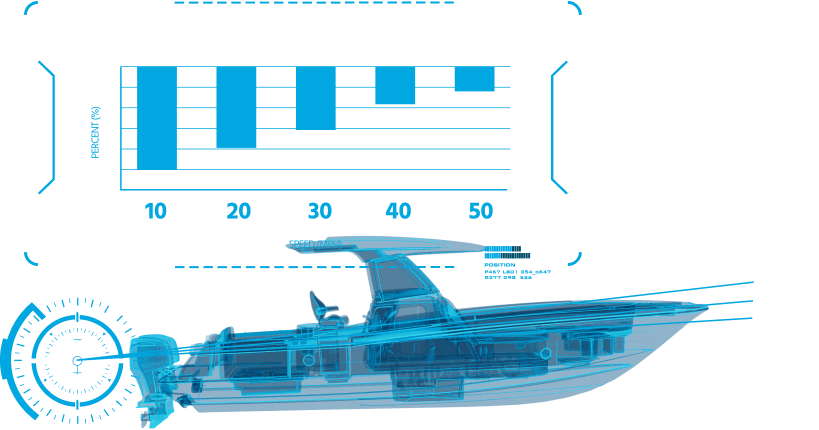
Marine Electronics Include Navigation, Communication, and Fish-Finding Systems
Boat owners in False Creek and Burrard Inlet upgrade old equipment to new digital screens.
Navigation Systems Show Everything on One Screen
Communication Equipment Keeps You Connected
Fish Finders Help You Catch More
Adding Radar Systems Requires Mounting, Wiring, and Software Integration
Sailboat owners going to the Gulf Islands and fishing boats heading offshore need radar for safety. Installing radar takes more than bolting an antenna to your boat.
Radar Antenna Mounting Must Handle Weather and Vibration
Proper Wiring Prevents Power and Signal Problems
Software Setup Makes Radar Work Best
Professional Installation Prevents Water Damage and Signal Interference
Many DIY installers find rusted connections or GPS problems after running cables wrong through the hull. Water getting in causes most marine electronics failures.
Marine-Grade Sealants Stop Water Entry
Every wire going through your boat's cabin or deck can let water in. We use marine-grade parts and sealants made for constant saltwater. Regular silicone breaks down in marine areas. We use special sealants that stay flexible and stick well through hot and cold weather and sun exposure.
Cable Separation Prevents Signal Problems
Signal problems show up as GPS jumping around, radar false images, or static in communications. This happens when power cables run next to antenna cables, or when electronics mount too close to engines. We keep proper distances, use shielded cables when needed, and add special filters on power lines.
Proper Grounding Protects Your Electronics
Grounding protects your electronics from power surges and lightning. All equipment connects to your boat's ground system with the right size wires. Coal Harbour and Granville Island docks expose electronics to saltwater spray. Certified technicians seal all holes, keep power cables away from antenna lines, and test each device before you leave the dock.
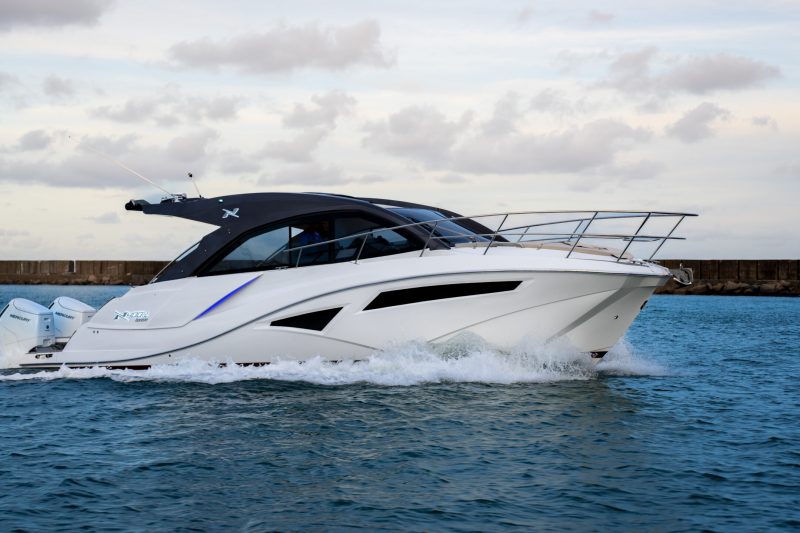
Marine Technicians Complete Specialized Training in Electrical and Navigation Systems
Boat owners often ask if certified installers are worth the cost. The answer is in the special knowledge needed for reliable marine electronics.
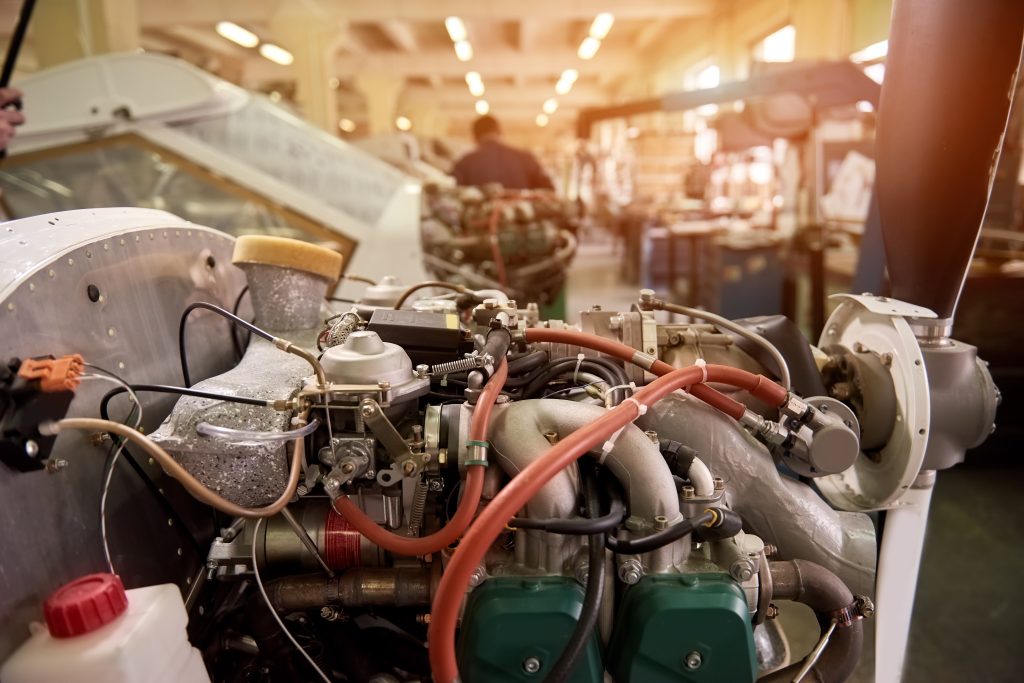
Marine Electrical Systems Need Special Knowledge
Marine electrical systems face tough conditions that don’t exist in cars or homes. Constant shaking, temperature changes, saltwater, and moisture create problems. We understand wire sizes for boats, proper ways to connect tinned copper wires, and methods that keep water out.
NMEA Protocols Control Device Communication
NMEA protocols control how marine electronics talk to each other. NMEA 2000 supports many devices on one cable. Wrong setup causes communication problems that are hard to fix.

Brand-Specific Training Speeds Installation
Garmin, Raymarine, Simrad, Furuno, and others use their own software. We keep current training with major brands. This helps us install faster and make sure you can use all features. Vancouver has many boat types from aluminum fishing boats to fiberglass cruisers. We’ve learned the right way to install on each.
Modern Boat Electronics Integrate with Autopilot and Engine Monitoring Systems
Sailors and fishing captains want control of navigation, speed, and engine information on one screen.
Autopilot Systems Steer Your Programmed Routes
Autopilot systems use data from GPS, compass, and rudder sensors to stay on course. When connected to your chart plotter, you just tap points on the screen and autopilot steers to them.
Engine Monitoring Shows Critical Information
Engine monitoring shows oil pressure, temperature, fuel use, and transmission temperature. Modern engine systems connect through NMEA 2000 networks and send live data to your display.
Tank Monitoring Tracks Fuel and Water Levels
Tank monitoring systems track fresh water, fuel, and waste tank levels. Many boats leave the dock with wrong fuel gauges. Proper installation makes sure you know exactly how much fuel you have during long Gulf Islands trips.
NMEA Certification Ensures Compatible Multi-Device Networks on Your Vessel
Boat owners adding new equipment worry if different brands will work together. NMEA standards solve this by defining how all brands communicate.
NMEA 2000 Networks Use Main Cable Design
Gateway Devices Connect Different Systems
Network Testing Tools Verify Proper Installation
Professional Marine Electronics Installation Services in Vancouver
VTS Marine provides complete marine electronics installation at Vancouver marinas. Our certified technicians have the knowledge and tools needed for reliable installations.
Complete Installation Services for All Marine Electronics
We install navigation systems, communication equipment, radar, autopilot, engine monitoring, and network setup. Our mobile service brings professional installation to your dock at Coal Harbour, False Creek, Granville Island, or any Vancouver marina. We work with all major brands.
Testing and Training Included with Every Installation
Every installation includes complete testing and training. We check all functions, show you how everything works, and make sure you understand your new systems. Our installations meet brand requirements for warranty.
Same-Day Quotes and Fast Scheduling
Contact our VTS Marine expert marine service team for same-day quotes. We schedule installations within one week and work fast to reduce your boat's downtime.
Testimonials
Hear from our valued partners and clients who trust VTS Marine for their critical operations.
Our commitment to excellence speaks through their experiences.
FAQ's
Frequently Asked Questions About Marine Electronics Installation in Vancouver
Most single-device installs like GPS or fish finder take two to four hours. Full upgrades with radar and autopilot take one to two days.
You can install marine electronics yourself in British Columbia. However, certified technicians make sure seals are waterproof and grounding is proper. This prevents warranty problems and electrical fires.
Chart plotters with GPS, VHF radios, fish finders, and radar are the most requested. These systems give you the navigation and safety features you need for Georgia Strait and salmon fishing.
Yes, marine-rated devices handle saltwater spray and rust when installers use sealed connectors and apply special grease to all connections.
NMEA-certified devices connect to most modern systems. We check compatibility before installation and can suggest gateway devices when needed.
We test all devices before you leave the dock. Always carry paper charts as backup for navigation. Keep your VHF radio working for emergency communication.
Get Your Marine Electronics Installed by Vancouver's Certified Experts
Don’t risk water damage or equipment failure with DIY installation. Our certified marine technicians ensure your GPS, radar, fish finders, and communication systems work perfectly. We serve all Vancouver marinas including Coal Harbour, False Creek, Granville Island, and Burrard Inlet.
Ready to upgrade your boat’s navigation? Call VTS Marine today for your same-day quote. We bring professional installation to your dock. Your electronics will be tested, waterproofed, and ready in as little as one week.
Call now or visit our Vancouver boat repair shop to schedule your installation.
Work with us: work@vtsmarine.caPhone: +16043518525