
Marine Inverter Installation Vancouver
Marine Inverter Installation in Vancouver BC: Power Your Boat’s Electronics Safely
In Vancouver, marine inverter installation lets you run AC appliances while anchored or cruising. This page covers inverter sizing, battery setup, and safe wiring for boats at Coal Harbour, False Creek, and across the Lower Mainland. Local marine electricians finish most installations in one to three days. Get professional installation that meets Canadian electrical standards and keeps your batteries working properly.
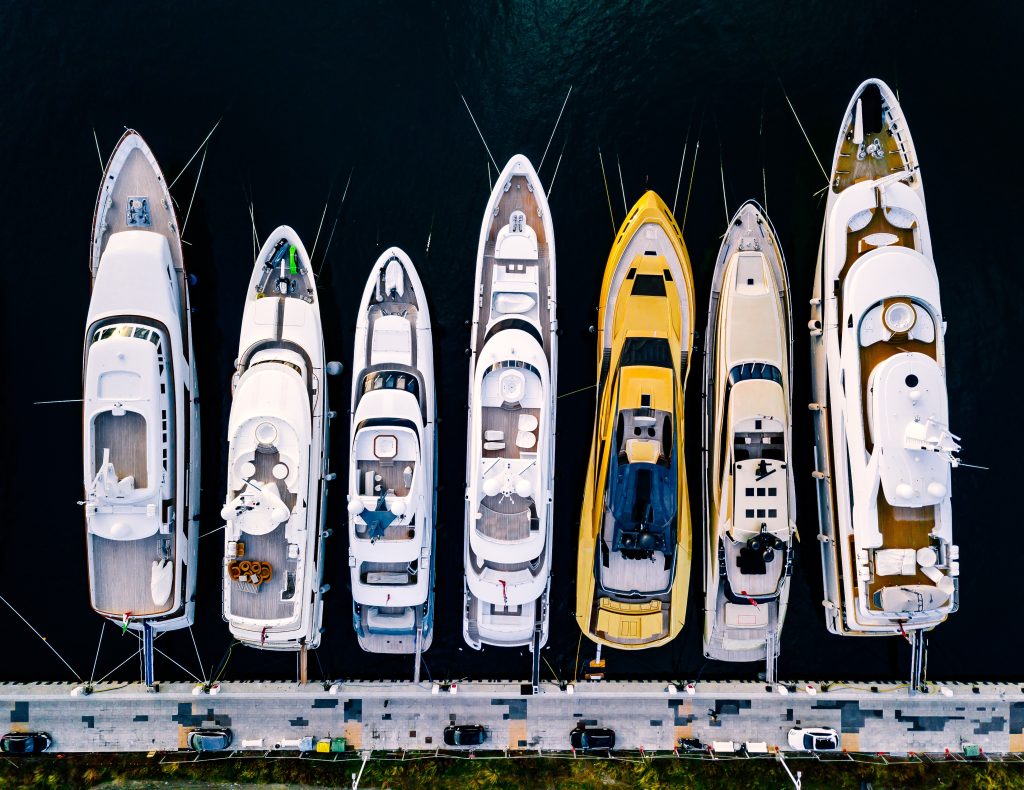
Marine Inverters Let You Use Regular Appliances on Your Boat
Boat owners in Vancouver use inverters to run coffee makers, laptops, power tools, and other devices while on the water. People living on boats at Mosquito Creek Marina or Granville Island need power without running loud generators all day.
An inverter changes the DC power from your batteries into AC power that regular appliances need. Pure sine wave inverters protect computers and electronics from power problems. Modified sine wave inverters cost less but can harm sensitive equipment like laptops and medical devices.
Vancouver’s wet climate means inverters must go in dry spaces with good air flow. Boats at Coal Harbour need proper installation to prevent rust and corrosion. We mount inverters where they stay protected but easy to reach for repairs.

Battery Size Controls How Long Your Inverter Works
Sailors going to the Gulf Islands for weekends need enough battery power to last the trip. Running fridges, microwaves, and electronics takes lots of power if you anchor away from shore.
The right battery bank stops you from losing power in the middle of your trip. Most boats need 200 to 400 amp hours of lithium batteries for weekend trips. A big 3000 watt inverter running at half power pulls about 125 amps from 12 volt batteries. That means a 300 amp hour battery gives you roughly two hours of power.
Boats docked at False Creek can charge batteries every day with shore power. Long trips to Howe Sound or Desolation Sound need bigger batteries or solar panels. We figure out exactly how much power you need based on what you use.

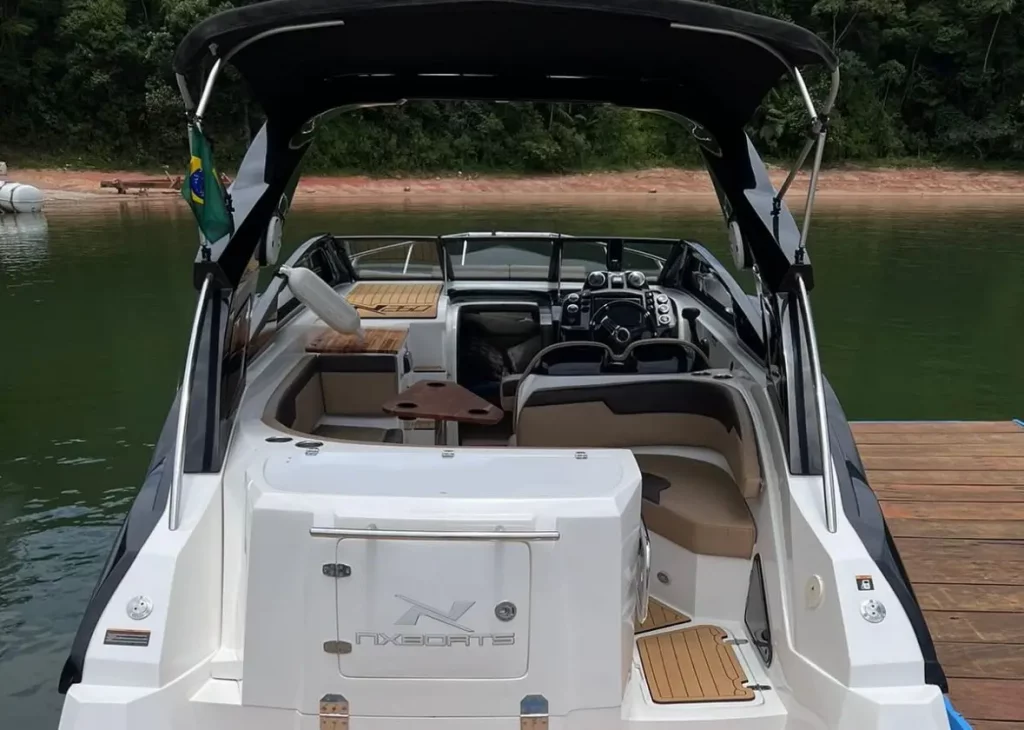
Professional Wiring Keeps Your Boat Safe from Fires
Bad wiring causes most boat electrical fires. Insurance companies want certified marine electricians to do the work. Surveyors check these installations before approving insurance.
Thick cables handle high power without getting hot. A 3000 watt inverter can pull 250 amps when you first turn on big appliances. This needs very thick 4/0 gauge cable. Thin wires get hot and can melt or start fires.
Fuses and breakers protect your boat from electrical problems. Marine surveyors in Vancouver check these systems carefully. We put fuses close to the battery to protect all the wiring. Canadian electrical code sets the safety rules for boats in BC waters.
What's Included in Professional Installation
Installing an inverter takes four to eight hours for most boats. We handle everything from start to finish. This includes mounting the inverter, running cables, electrical installation, adding safety devices, and testing.
We mount inverters on walls or behind panels where they stay dry and cool. Cables follow existing wire paths when possible to keep things neat. Every installation gets tested to make sure it works safely.
Sailboats at Jericho and English Bay have tight engine rooms that need creative solutions. We know Vancouver boats well and work faster because we’ve done hundreds of installations. Contact VTS Marine for expert inverter installation.
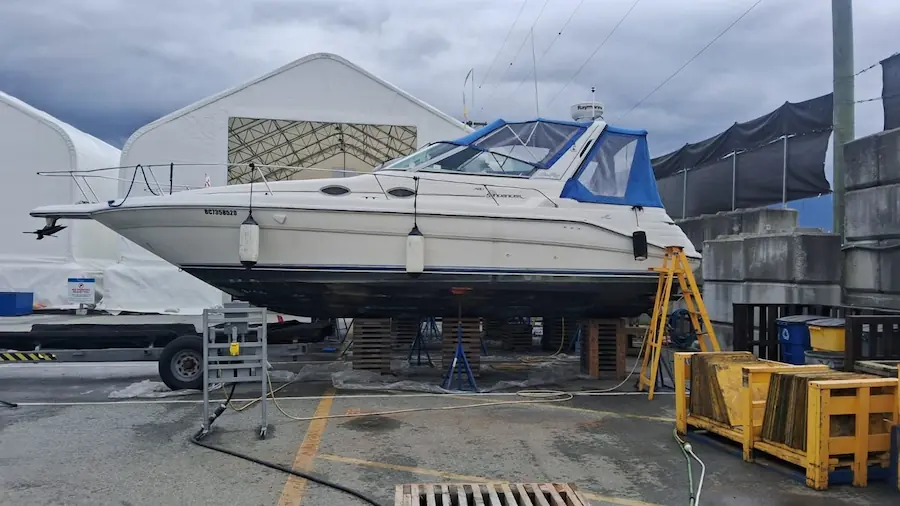
Lithium Batteries Work Better in Vancouver Weather
Upgrading to lithium batteries makes a big difference. They charge faster and last longer than old lead acid batteries. Year round boaters need batteries that handle cold nights without problems.
Lithium batteries give you more usable power. A 300 amp hour lithium bank works like a 600 amp hour lead acid bank. You can use more of the power in lithium batteries safely. They also charge up to five times faster, so your generator runs less.
Vancouver winters rarely freeze, which is good for lithium batteries. Boats stored at Steveston or Deep Cove keep their charge all winter long. We install battery management systems that protect against overcharging and extreme temperatures.
Cable and Breaker Size Matters for Safety
Using the right cable size prevents problems. A 3000 watt inverter on 12 volts needs 4/0 gauge cable. Smaller cables lose power and get dangerously hot. Breakers need to match your system size, usually 300 amps for a 3000 watt inverter.
Longer cable runs need special attention. Big boats in Vancouver marinas often need careful planning. We use marine grade tinned copper wire because regular copper rusts quickly in salt water. Heat shrink protection keeps connections safe for many years. Our marine electrical repair team designs complete inverter systems.
How We Install Marine Inverters in Vancouver
Professional installation follows these steps:
- Check your boat’s batteries and find the best mounting spot
- Figure out how much power you need for all your appliances
- Pick the right inverter size, usually 1000 to 3000 watts for most boats
- Mount the inverter in a dry spot with good air flow
- Run thick cables from batteries with fuses for safety
- Connect to your boat’s electrical panel
7. Test everything to make sure it works safely
Testimonials
Hear from our valued partners and clients who trust VTS Marine for their critical operations.
Our commitment to excellence speaks through their experiences.
FAQ's
Common Questions About Marine Inverter Installation
Most installations take four to eight hours. Big systems with multiple batteries might need one to two days. The time depends on your boat layout and how hard it is to run cables. Sailboats with tight spaces take longer than powerboats.
Yes, but you need a big 3000 watt inverter and lots of batteries. Most Vancouver boaters use shore power for air conditioning. Air conditioners use a lot of power and drain batteries fast. They work better plugged into the dock.
No permit is needed for inverter installation. But the work should follow Canadian electrical code. Insurance companies check this during surveys. Poor installation can cancel your insurance.
Avoid table saws, welders, and cheap power tools. These can damage your inverter. Stick to microwaves, laptops, phone chargers, and quality electronics. Check how much power things use before plugging them in.
A 200 to 300 amp hour lithium battery works well for weekend cruising. This runs your fridge, lights, phone chargers, and microwave for two to three days. Add more batteries if you use lots of power. Solar panels help batteries last longer.
Inverters work with all battery types. Lithium batteries work best in Vancouver's climate. Old batteries might need upgrading for good performance. We can check your batteries and tell you if they work or need replacement.
Get Professional Inverter Installation in Vancouver
VTS Marine installs inverters on boats throughout Vancouver and the Lower Mainland. Our certified electricians handle everything from planning to testing. We follow Canadian electrical code and work on all boat types. We serve Coal Harbour, False Creek, Mosquito Creek, Granville Island, and Steveston marinas.
Our mobile marine mechanic team comes to your dock. No need to move your boat to a shop. We work on luxury yachts, sailboats, and powerboats.
Contact VTS Marine for a free quote on your inverter installation. We help you pick the right system and install it properly. Your boat will have safe, reliable power for years.
REQUEST MARINE INVERTER INSTALLATION SERVICE
VTS Marine provides complete marine services including yacht repair, boat winterization, marine electronics, and emergency boat repair.
Work with us: work@vtsmarine.caPhone: +16043518525
Experience the difference that professional yacht repair expertise makes. Trust VTS Marine to keep your yacht running at its best throughout Vancouver’s incredible boating season.